Compare comprehensive and third-party cover, understand excess, and pick cover that fits your car and budget.
Choosing car insurance sounds simple until you actually have to do it.
Do you need comprehensive cover? Is third-party enough? What if your car is older, or you do not drive every day? And how do you avoid paying for cover you do not really need without leaving yourself badly exposed?
The right car insurance usually comes down to three things: what your car is worth, what you could afford to pay yourself if something went wrong, and how much risk you are comfortable carrying.
If you want a broader plain-English overview first, read Everything you need to know about car insurance in plain English .
Start here: what could you afford if something went wrong?
Before choosing a type of cover, ask yourself:
- Could you afford to repair or replace your own car if it was stolen, hijacked, or written off?
- Could you afford to pay for damage to someone else’s car or property if you caused an accident?
- Would a large unexpected bill throw your finances off for months?
A lot of people focus only on the monthly premium, which is understandable. But the bigger question is what kind of financial hit you could realistically absorb.
The main types of car insurance in South Africa
There are three broad levels of cover most people compare.
Third-party insurance

This is the most basic level of cover.
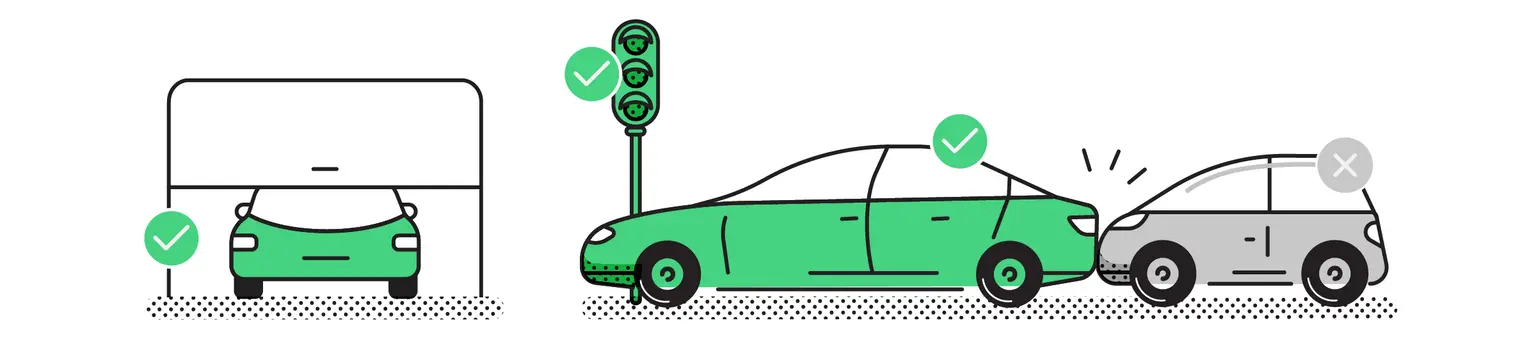
It usually covers damage your car causes to someone else’s car or property. It does not cover damage to your own car.
This can make sense if your car is not worth much anymore, but you still want protection against the risk of damaging an expensive car, a wall, a gate, or other property.
Third-party, fire and theft:
This sits between basic third-party and comprehensive cover.
It usually covers:
- Damage your car causes to someone else’s property
- Theft or hijacking of your car
- Fire damage to your car
It still does not usually cover accidental damage to your own car after a crash.
Comprehensive car insurance:
This is the widest level of cover.
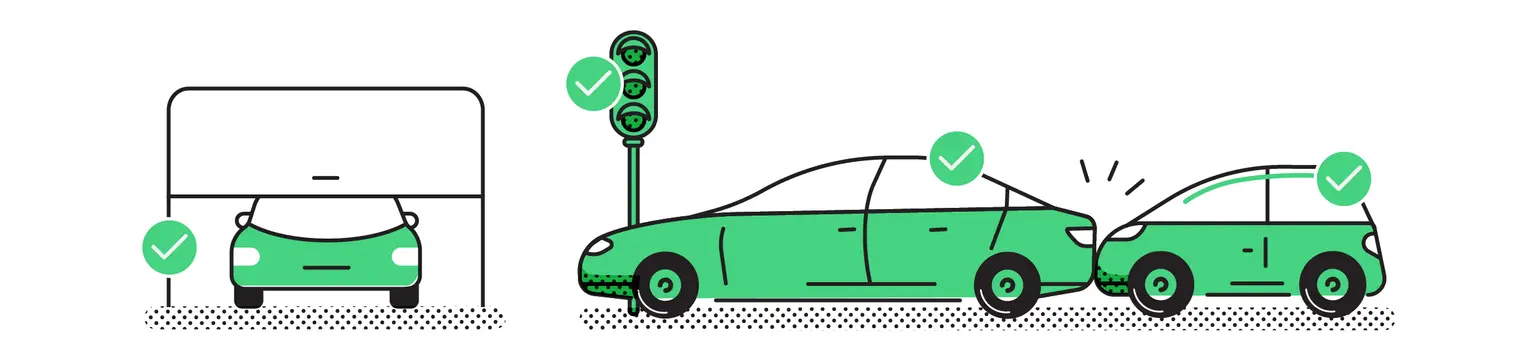
It usually includes:
- Damage to your own car
- Theft or hijacking
- Fire damage
- Weather-related damage such as hail or flooding
- Damage your car causes to someone else’s property
Depending on the insurer and policy, it may also include or offer extras like roadside assistance, towing, car hire, key replacement, or credit shortfall.
So which type of cover is right for you?
There is no one-size-fits-all answer. A better approach is to match your cover to your car, your budget, and your real-life risk.
Comprehensive cover may make sense if:
- Your car is newer or still worth a decent amount
- You are still paying it off
- You rely on it every day
- You would struggle to repair or replace it yourself
- You want broader peace of mind
If your car is financed, comprehensive cover is often required by the bank or finance house anyway.
Third-party cover may make sense if:
- Your car is older and not worth much
- You could live with losing the car
- You mainly want protection against damaging someone else’s property
- You need a lower monthly premium
This can be sensible, but only if you are genuinely comfortable carrying the risk on your own car.
Third-party, fire and theft may make sense if:
- Your car still has some value
- You are worried about theft or fire
- Full comprehensive cover feels too expensive
- You want a middle ground
Your car’s value matters, but so does your cash flow
People often say, “My car is old, so comprehensive cover is not worth it.”
Sometimes that is true. But age alone is not the best test.
A better question is: if your car was stolen or badly damaged this month, what would you actually do?
If you would need to borrow money, empty your savings, or go without transport for a long time, broader cover may still be worth considering. If your car’s value is low and you could realistically replace it yourself, paying for comprehensive cover may make less sense.
Do not ignore the risk of damaging someone else’s car
Even if your own car is not worth much, you can still cause expensive damage.
If you hit a newer car, a motorbike, a wall, a gate, or shopfront glass, the bill can add up fast. That is why going completely uninsured can be such a risky gamble.
If full cover feels out of reach, some form of liability cover is still worth serious consideration.
Think about how you actually use your car
Your lifestyle matters.
If you drive every day in traffic, your risk profile is different from someone whose car mostly stays parked. If you work from home and only drive occasionally, your needs may be different again.
The right cover is not just about the car. It is about the car in your actual life.
Premium vs excess: cheaper is not always cheaper
When comparing quotes, do not look only at the premium.
Also look at the excess, which is the amount you may need to pay yourself when you claim. A lower premium with a very high excess can look attractive until you need to use the policy.
If you want a fuller explanation, read: What does excess mean in car insurance?.
A useful rule of thumb is this: do not choose an excess that looks good on paper but would create a crisis in real life.
Cost matters, but context matters more
If price is your main concern, it helps to understand what actually affects what you pay and what kind of premium range you might be looking at.
For that, read How much does car insurance cost in South Africa in 2026? .
The cheapest option is not always the best option. Good value is cover that fits both your risk and your budget.
Five questions to ask before you choose
Before picking your cover, ask yourself:
- If my car was stolen this week, could I replace it?
- If I caused an accident, could I afford someone else’s repair bill?
- Is my car financed?
- How often do I drive, and how exposed am I on the road?
- Am I choosing this option because it fits my needs, or just because it has the lowest monthly number?
Common mistakes people make
Choosing only on price
Cheap cover can be the right choice. Cheap without understanding the trade-offs is where problems start.
Paying for comprehensive cover on a car you could easily replace
Sometimes people keep broad cover out of habit, even when the numbers no longer make sense.
Going uninsured because “I’m a careful driver”
Even careful drivers can be hit by someone else, lose a car to theft, or make one expensive mistake.
Ignoring the excess
A policy only really helps if you can still afford to use it when you need it.
A practical way to decide
If you want the simplest version:
- Choose comprehensive cover if losing or repairing your car would put you under real financial pressure.
- Choose third-party cover if your own car is replaceable, but you still want protection from damaging someone else’s property.
- Choose a middle-ground option if theft and major losses worry you, but full cover feels too expensive.
Final thought
Good car insurance is not about buying the most cover possible. It is about buying the right cover for your car, your finances, and your life.
If you want to see how Naked’s options work, start on the car insurance page.