Here are five new electric cars under R520,000 in SA, compared on range, charging, space and what your money actually buys.
A brand new EV, on the road, for less than R350,000. Two years ago that sentence didn't exist.
Today it does, and it's not a one-off. South Africans bought more electric cars in the first seven months of 2026 than in any full year before it, and most of the action is happening well under R500,000. Naamsa's latest numbers put battery-electric sales at 2,360 between January and July, up 268% on the same window last year. A wave of new Chinese brands has done to the EV price ceiling what load shedding did to solar: dropped it.
If you've been waiting for the moment EVs stopped being a luxury purchase in this country, this is it. Here are the five worth shortlisting under R520,000, cheapest first.
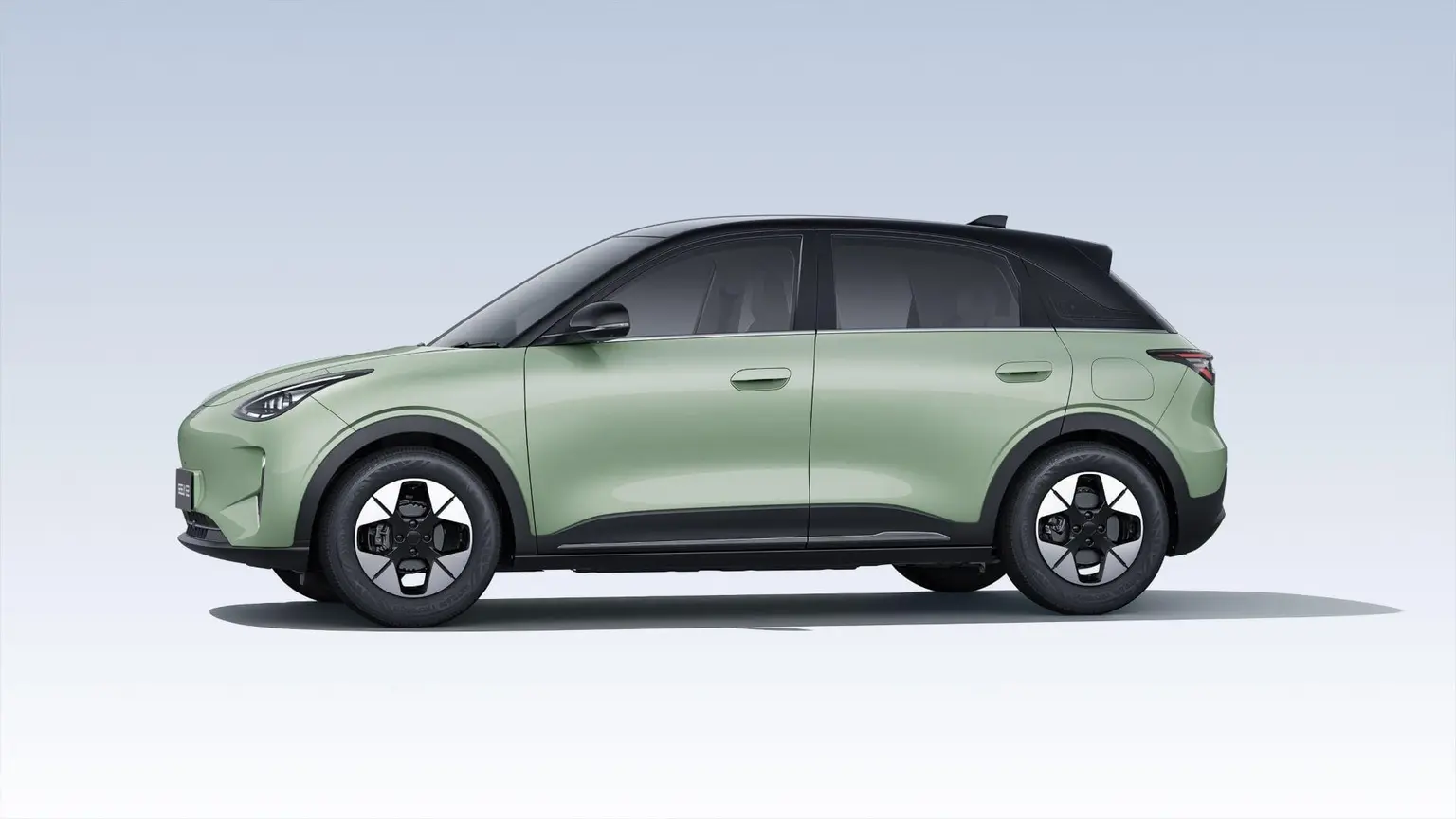
1. The cheapest way in: Geely E2 Aspire, R339,900
The Geely E2 landed in April and became the cheapest EV in the country overnight. R339,900 for a compact hatch about the size of a VW Polo, with a claimed range of 325km. Over 1,200 South Africans have already bought one.
Under the hood, there's a 39.4kWh battery powering an 85kW motor at the rear wheels. Think of the battery size a bit like the size of a fuel tank: bigger usually means you can go further, but it also adds weight and cost. On a DC fast charger, which is the rapid public charging you find at shopping centres and along the main highway routes, you'll go from 30% to 80% in about 25 minutes. You get a lot of kit for R340k. A 14.6-inch infotainment display, an 8.8-inch driver screen, 4G, USB ports front and back, and vehicle-to-load, meaning the battery can run your fridge or Wi-Fi router during load shedding. That's a real feature in this country, not marketing fluff.
The boot swallows a full weekly grocery shop and a couple of suitcases (375L, or 1,320L with the back seats folded). There's also a smaller storage cubby under the bonnet, just big enough for a couple of grocery bags. That's called a 'frunk' (front + trunk), and it exists because there's no engine up there anymore.
Spend another R50,000 on the Apex trim and you get bigger wheels, vegan leather, wireless charging, 360-degree cameras, and full driver-assist tech. Same battery, same motor.
If you want the lowest sticker price on the market without feeling like you've bought the cheapest thing on the lot, this is it.
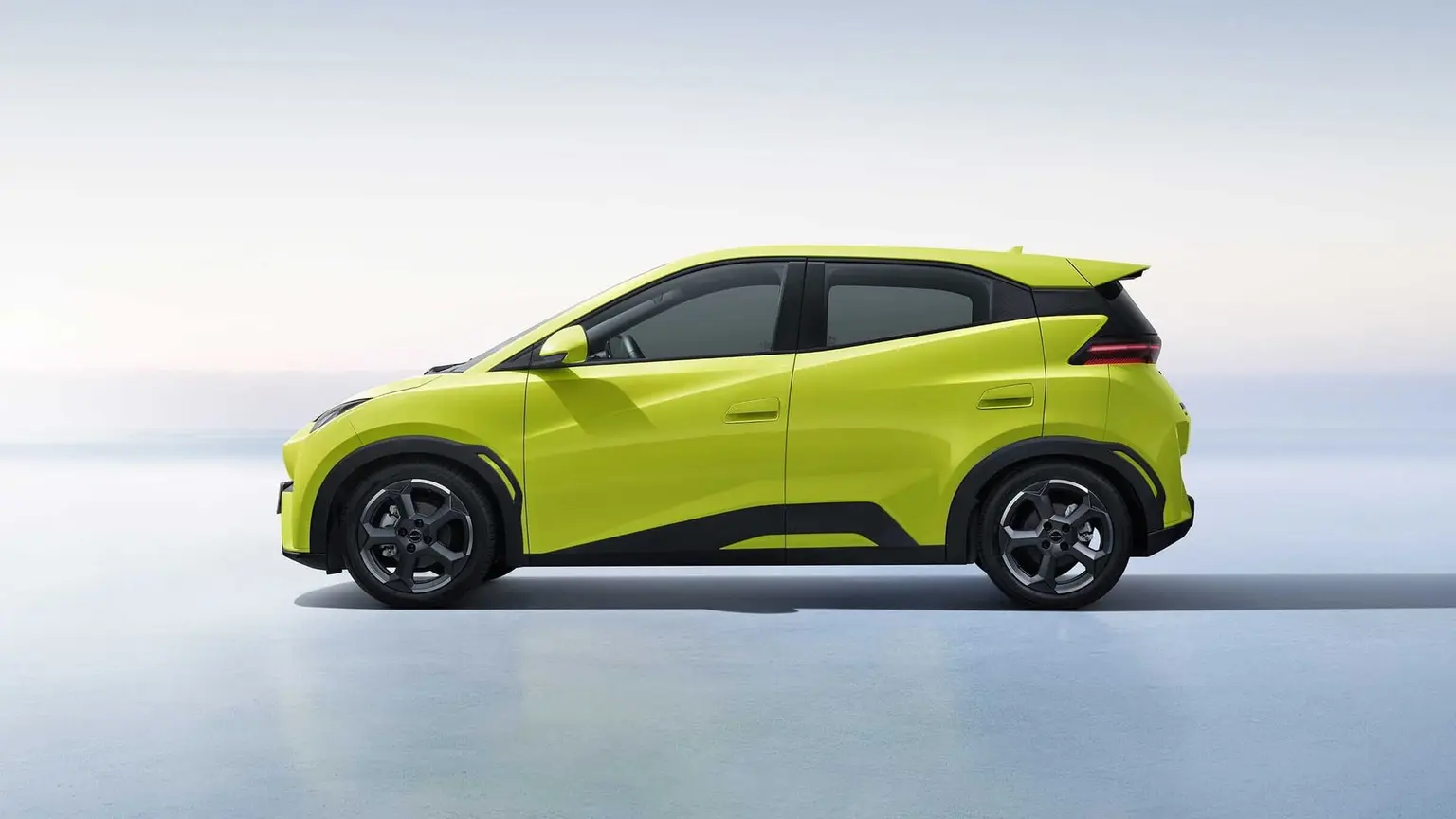
2. The proper city car: BYD Dolphin Surf Comfort, R341,900
Two grand more than the Geely, and about a third less boot space. What you get in return is the smallest, easiest-to-park car on this list. It's noticeably smaller than a Polo and slots into gaps a Polo won't.
The 30.08kWh Blade Battery is the standout. It's an LFP battery, short for lithium iron phosphate. LFP is a battery chemistry that costs less to make and handles heat better than the more common lithium-ion. In practice, that means it holds up better in a country where cars spend the afternoon in direct sun and it tends to last longer over its lifetime.
Claimed range is 232km, which is honest about what this car is: a runabout for urban trips. If your regular routine involves a Hartbeespoort weekend, look elsewhere.
Inside you get a 10.1-inch touchscreen with wireless Apple CarPlay and Android Auto, a 7-inch driver display, and 20 storage cubbies BYD is very proud of. Boot space is about two carry-on suitcases' worth (230L, or 930L with the seats folded). Fast charging on a DC charger takes 30 minutes for the 30-80% top-up. Voice command is included, activated by saying 'Hey BYD' out loud in your car like a normal person.
Best for short trips in a busy city, especially if you park on the street.
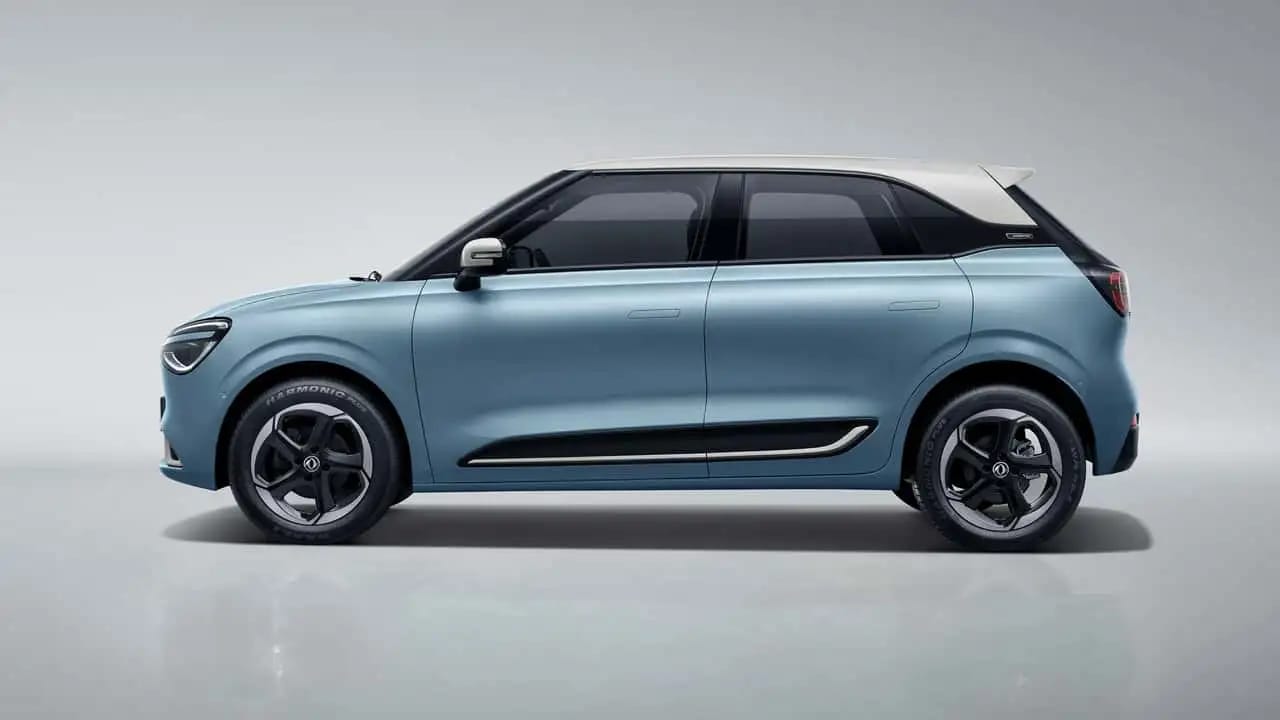
3. The one that stands out but is still affordable: Dongfeng Box E2, R349,000
Every affordable EV in this bracket comes in polite shades of white, silver and diplomatic grey. The Box comes in pink, purple, yellow and blue. It has frameless doors and a headlight signature that looks like it belongs on something twice the price.
Under the styling: a 43.9kWh battery, a 70kW motor driving the front wheels and a top speed of 140km/h. Dongfeng claims 430km of range but hasn't disclosed how they tested it, which is your cue to knock a healthy chunk off before you plan any road trips around it.
Inside it's minimalist. A 12.8-inch infotainment display, a 5-inch driver cluster, vehicle-to-load for load shedding, and 30-80% DC charging in 30 minutes. It's about the size of a Polo, so still easy to park.
If you want your EV to turn a few heads, this could be the car for you.
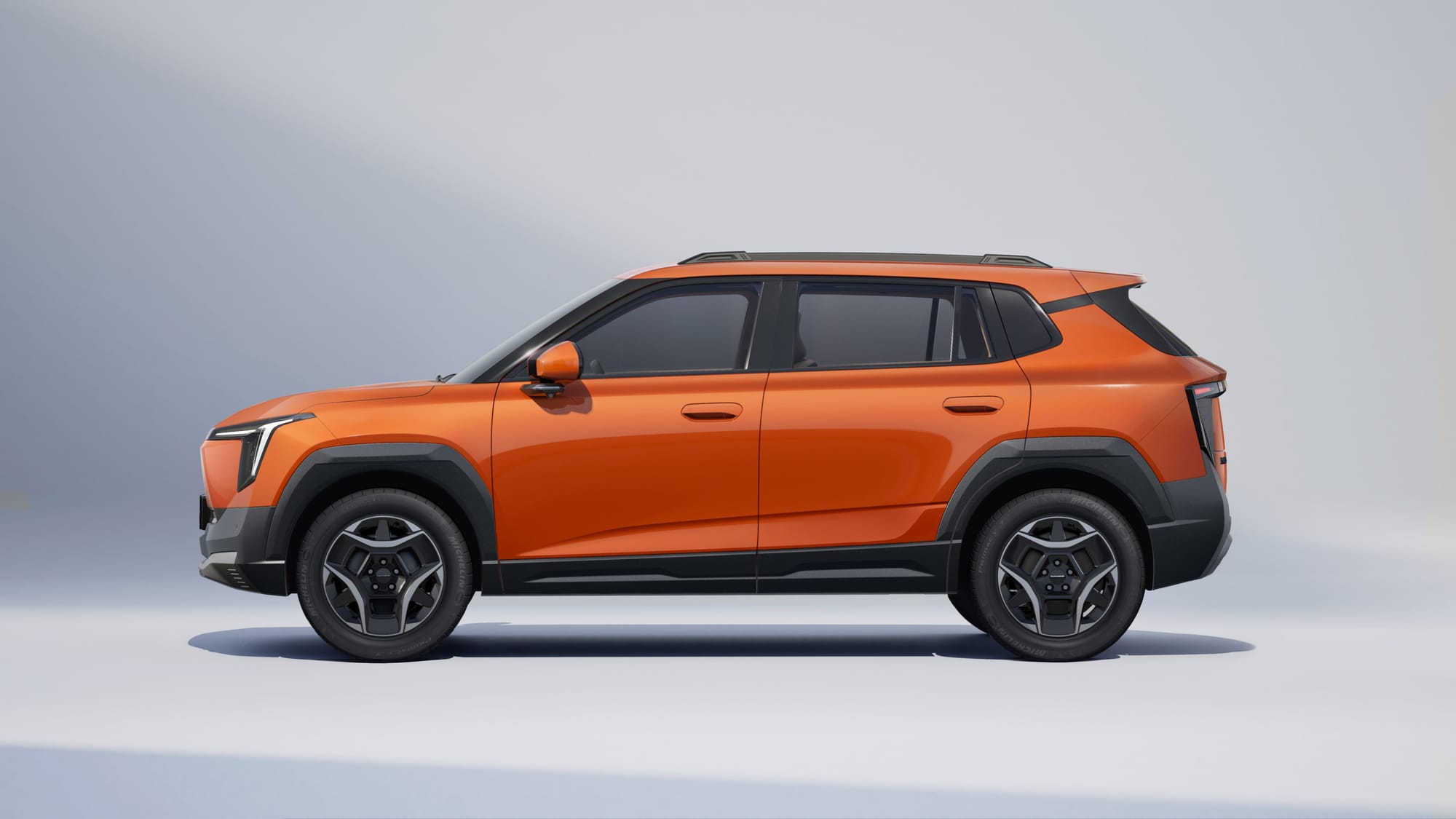
4. The one that actually feels like an SUV: Dongfeng Nammi 06, R499,000
It's the first non-hatchback on the list. The Nammi 06 is a proper crossover with real muscle. Its 120kW motor produces a healthy dose of pulling power (230Nm of torque, torque being the twisting force that gets a car off the line briskly) and it'll charge from 30-80% on a DC fast charger in 18 minutes. Under-20-minute charging at this price is new.
The 401km range claim uses a generous Chinese lab test, so budget for meaningfully less in real driving. The fundamentals are strong though: a 500L boot (family holiday luggage territory), a 49L frunk, three drive modes (Eco, Comfort, Sport), a 12.8-inch touchscreen, and a top speed of 150km/h. Colours include green and orange for anyone tired of white.
The pick under R500,000 if your family or daily driving needs more than a hatchback.
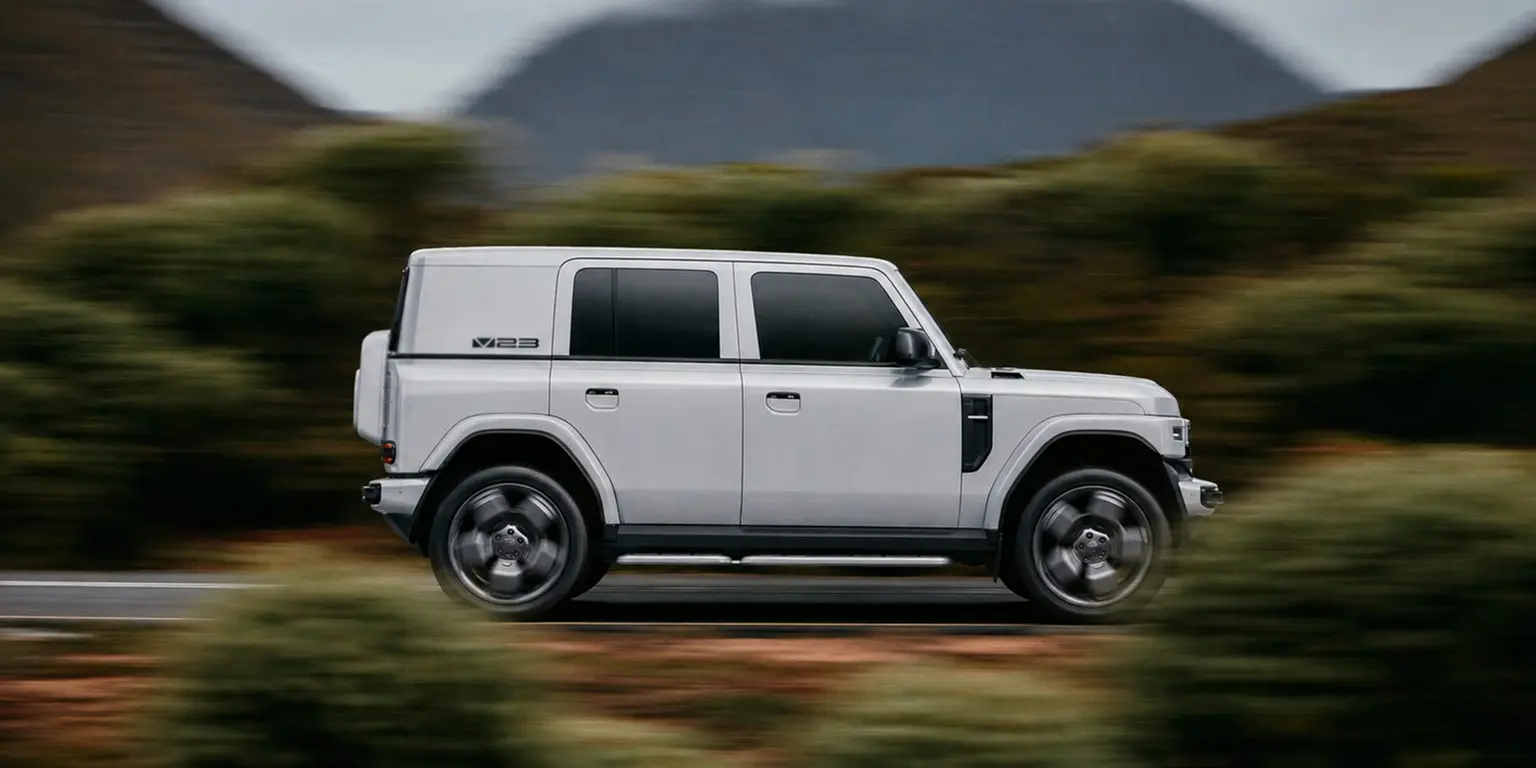
5. The wildcard: iCaur V23 RWD, R519,900
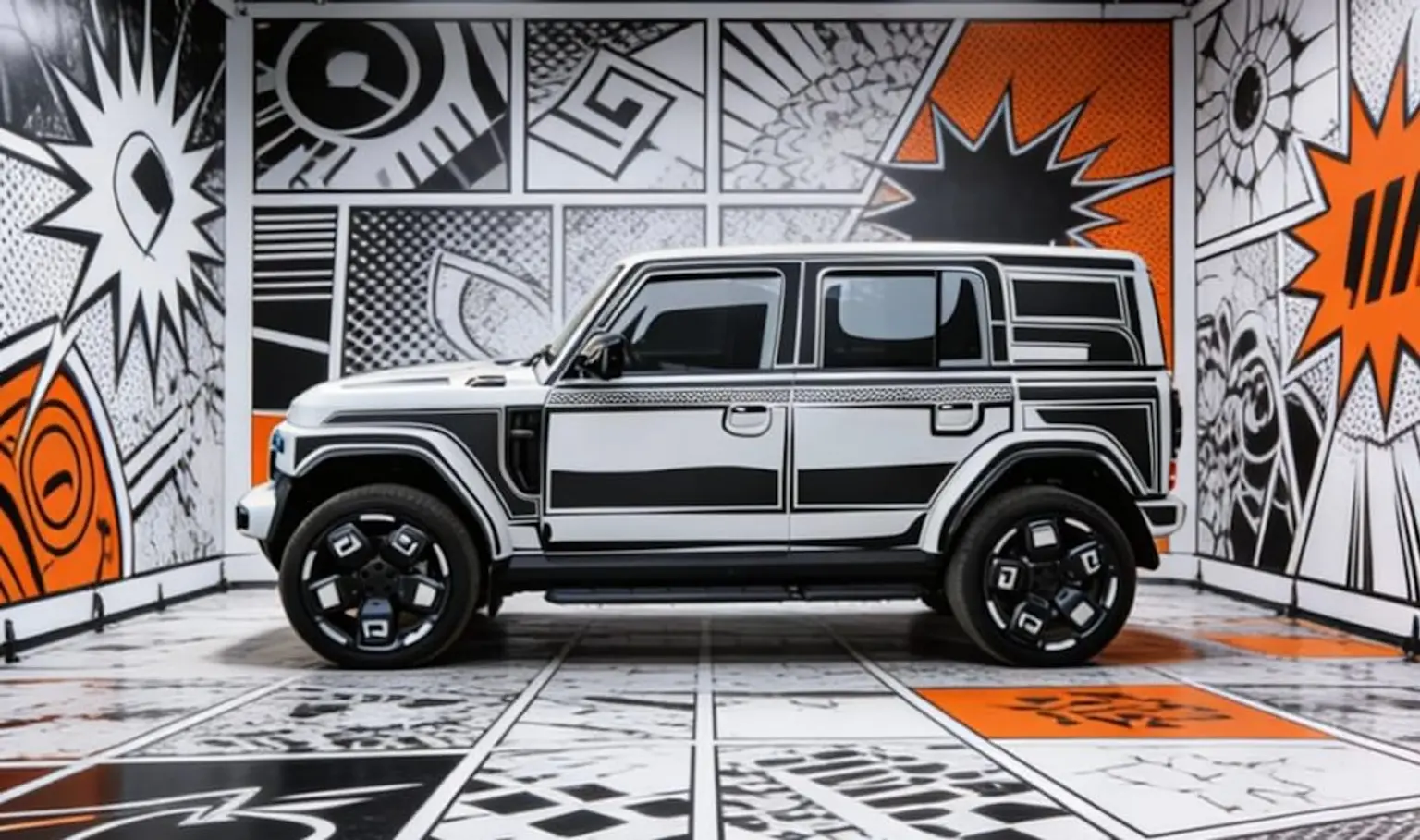
The V23 nudges just over the R500k line, but it earns its place because it doesn't compete with anything else here. It's styled like a mini adventure SUV: boxy, upright, and available with customisable wraps and modular panels you can swap without tools.
The entry model is a rear-wheel drive with a 59.93kWh battery (the biggest on this list) and a 100kW motor. Claimed range is 360km and DC fast charging takes about 30 minutes for a 30-80% top-up. There's an all-wheel-drive V23 with an 81.8kWh battery and 155kW, but it's R669,900, which is a different conversation entirely.
For anyone who wants a car that looks like nothing else on the road and is happy paying a small premium for the personality.
EVs earn back their sticker price in what you don't spend later. Home charging costs a fraction of petrol per kilometre, servicing is cheaper because there's less to service, and you'll never pay for an oil change again. Insurance for your EV is a real line in that maths too, so factor it in when you compare.
Under R520,000, the question isn't 'should I go electric?' anymore. It's 'which one fits my life?' All five have a good answer.
Quick note on the range numbers, i.e., how far the car can go before the battery dies
Every EV maker quotes an optimistic range figure. Real driving eats into it: highway speeds, cold weather and heavy aircon all take a bite. As a rule, expect 15 to 20% less than the brochure claims and closer to 30% less on cars tested to Chinese (rather than European) standards.