
Find out how much it costs to insure a Chery Tiggo 4 Pro in South Africa, what influences your premium, and how to get a quick, binding quote with Naked.
The Chery Tiggo 4 Pro is fast becoming one of South Africa’s favourite compact SUVs – modern styling, plenty of features and serious value for money. But what does that mean for your car insurance premium?
Because the Tiggo 4 Pro is still relatively new to the market, insurers are learning more about its parts and repair costs. The good news is that its strong safety tech, growing dealership network and solid warranty should help to keep premiums competitive — often cheaper than bigger SUVs or bakkies.
Let’s look at what you can expect to pay, what affects your premium, and how Naked can help you get a final price in under 90 seconds.
What does a new Chery Tiggo 4 Pro cost in South Africa?
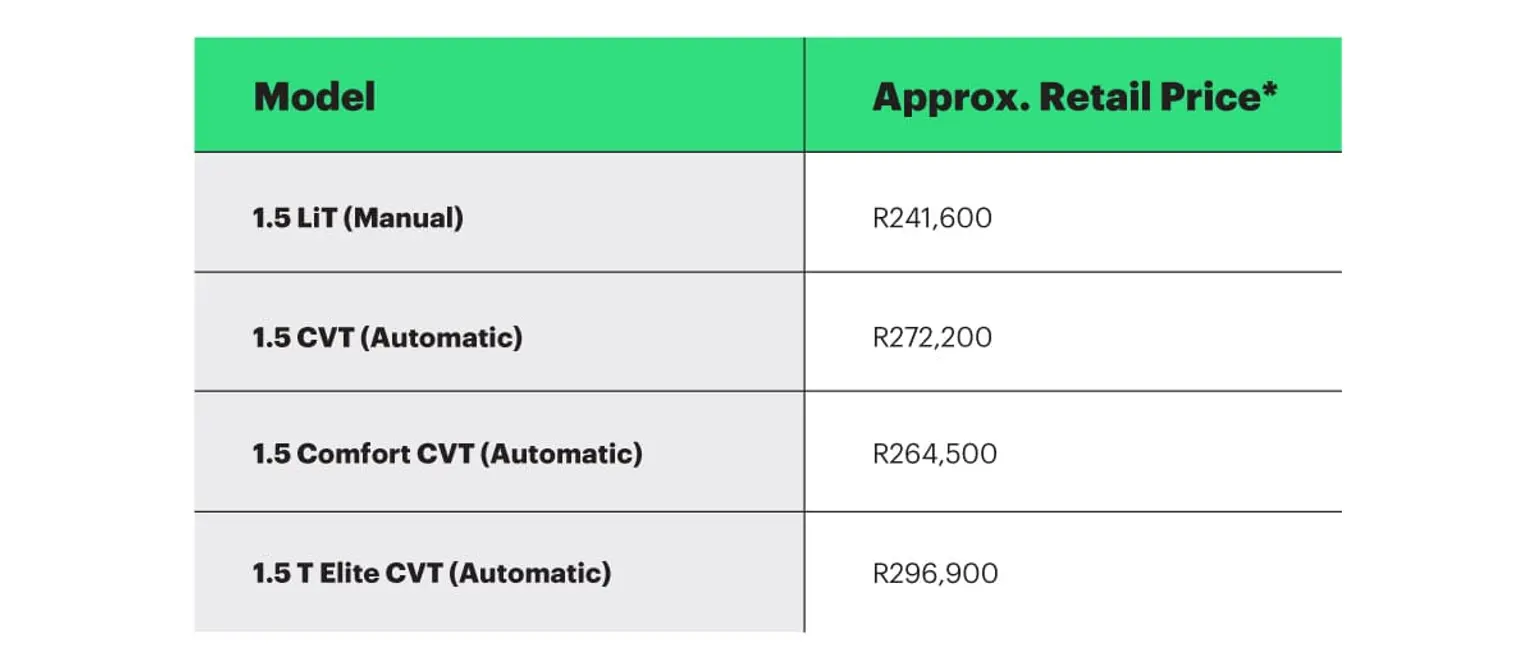
Before you look at the cost of insurance, it helps to know what the car itself costs. The 2024 Tiggo 4 Pro sits in a surprisingly wide price range depending on engine, trim and transmission.
How much does it cost to insure a Tiggo 4 Pro in South Africa?
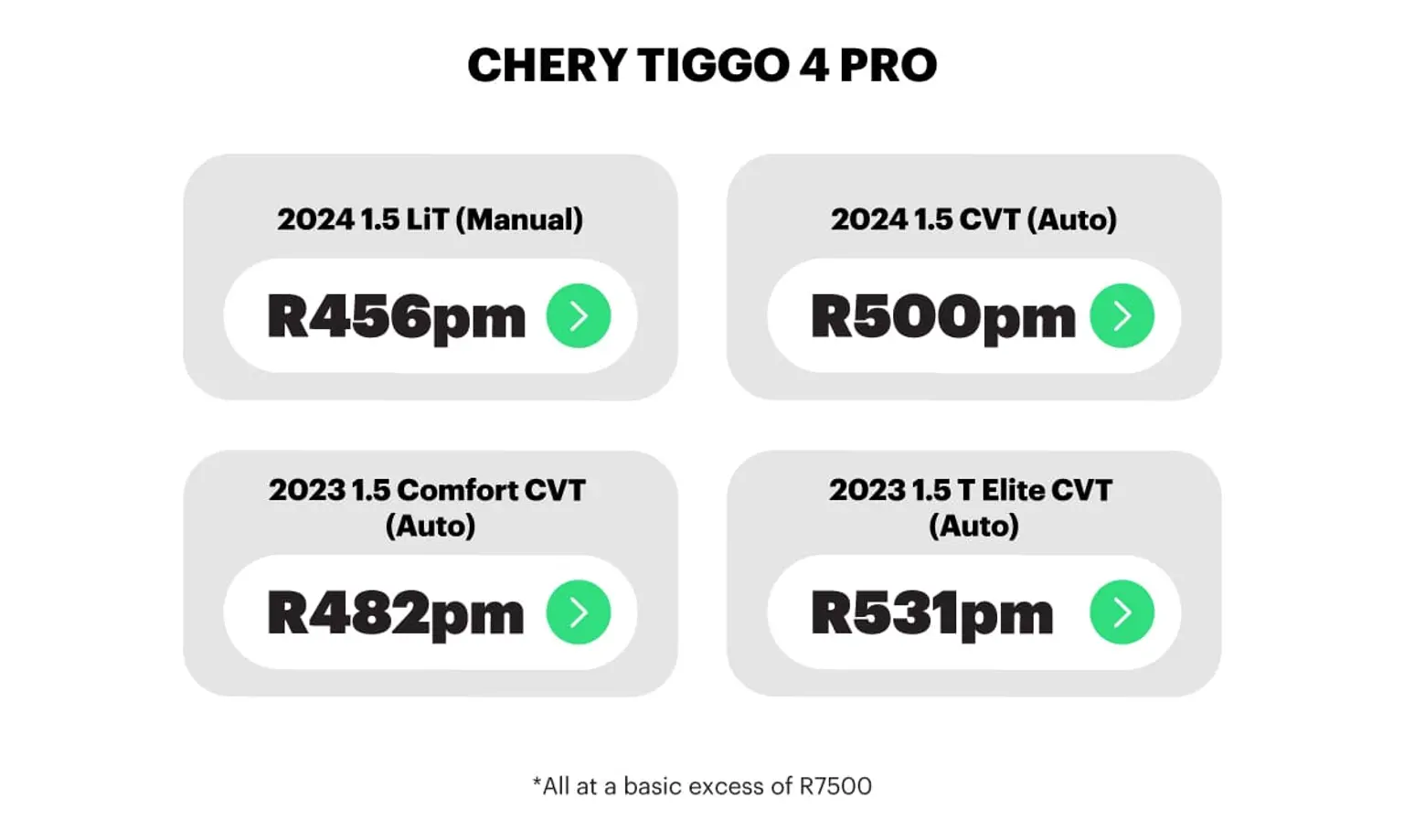
Insuring a Tiggo 4 Pro isn’t one-size-fits-all. Your premium shifts with you—who you are, where you live, and which Tiggo 4 Pro you drive. Here’s a rough guide to what you might pay:
-
Base variants (manual, lower trim) might attract premiums of, say, R450 – R480 per month, particularly in safer low crime areas.
-
Mid-spec CVT / Comfort versions could fall in the R500 – R550/month range.
-
Turbo / Elite / DCT models may push premiums into R600 – R700+, with the high end being more likely if add-ons are included, your excess is low, or you live in a high-crime area.
Side note: Because the Tiggo 4 Pro is less common than a Corolla Cross or EcoSport, insurers may still be refining prices until there’s a fuller claims history for the model.
👉 Want to know what your Tiggo 4 Pro premium would be?
Hop onto the Naked app or website and get a binding car insurance quote in 90 seconds or less.
What influences Tiggo 4 Pro insurance premiums?
Insurers look at several key factors when calculating your premium. Here are the main ones that will affect things:
-
Trim & features: Turbo and DCT models have more complex (and pricier) components, which lift replacement costs and therefore premiums.
-
Engine & usage: Whether it’s the naturally aspirated 1.5L or a turbo makes a difference, as do daily mileage and how the car is used.
-
Safety & warranty: The Tiggo 4 Pro’s safety tech (ESC and a reinforced chassis) helps lower risk. Chery’s 5-year warranty (plus the 10-year/1-million km engine warranty) also builds insurer confidence.
-
Parts availability & repair history: As the brand is still establishing itself, some parts may take longer to source, which can temporarily push costs up.
-
Location & security: Living in a lower-crime area, parking in a garage and having a tracker or recovery device meaningfully reduce risk.
-
Excess & cover level: A lower excess and full comprehensive car insurance with add-ons will raise the premium. Opting for a higher excess or simpler cover (e.g., third-party, fire and theft) will generally reduce it.
Owning a Tiggo 4 Pro: pros & cons
Pros
-
Stylish design with tech-rich interior (touchscreen, safety assists).
-
Long warranty support (5 years + extended engine cover).
-
Decent fuel consumption (~6.8 L/100 km on some models). And remember, insurance is only one part of the total cost of owning a car - fuel, maintenance and depreciation all play a role.
-
Manageable servicing costs and intervals (5,000 km / 6 months first, then 15,000 km or 12 months).
-
SUV stance without the heavy size or fuel bill.
Cons
-
Because it’s relatively new and less common, repair parts can sometimes lag or be on back order. Similar trends can be seen with other newer SUVs entering the South African market.
-
Some reports of drivetrain or software quirks in DCT / turbo versions (jerkiness or hesitation).
-
Owners report battery drain issues if the car sits unused for a few days.
-
Because it’s a less familiar brand, some insurers may price in a “novelty” or “higher risk” premium until experience grows.
-
Resale may lag behind more established brands unless maintenance and reputation are carefully managed.
What can I do to lower my Tiggo 4 Pro insurance premium?
-
Park in a secure location (garage, gated estate) rather than on the street.
-
Opt for a higher excess: depending on your risk appetite, this can cut your premium significantly – just make sure you can afford it if you need to claim.
-
Limit optional extras or upgrades that inflate replacement cost.
-
Keep a spotless service and maintenance record. Stick to the service intervals (5,000 km / 6 months first, then 15,000/12 months).
-
Choose lower-spec trims over the top turbo / DCT models if premium is a big driver.
How does Naked make insuring a Tiggo 4 Pro simpler?
Naked takes the hassle out of car insurance. Get a firm price in under 90 seconds, buy in-app and download bank-ready proof on the spot. Adjust your excess whenever you like, pause accident cover while your car’s parked, and handle claims in the app. No hidden bits, just transparent cover for when the bad stuff happens – roadside assistance and towing included.
FAQs about insuring a Chery Tiggo 4 Pro in South Africa
Why might my Tiggo 4 Pro cost more to insure than a more common car?
Because it’s relatively new and less common, insurers see higher risk in parts, repairs and untested claim history. Over time, as claims data grows, premiums may stabilise.
Do I need a tracking device for the Tiggo 4 Pro?
Many insurers will require one (especially in higher trim levels). Even where not mandatory, having a tracker usually lowers your premium.
Is the DCT / turbo version significantly more expensive to insure?
Yes. Increased complexity, repair cost and higher replacement value push premiums up for the turbo / DCT variants.
Can I switch covers (e.g. from comprehensive to third party) mid-term?
With flexible insuretech providers (like Naked), yes, depending on your policy, you may adjust cover levels mid-term if your usage or needs change.
How does off-road or rugged use affect the premium?
Using the Tiggo 4 Pro for off-road, towing or rough terrain increases risk, so premiums go up. Always check your policy and declare how you use the car, some policies exclude off-road use or need add-ons, so you’re covered for your actual use.