Learn about common hereditary conditions in dogs, the warning signs to watch for, and how to protect your pet’s long-term health.
When you bring a dog home, you're signing up for everything that comes with them. The good bits, the costly bits, and sometimes the bits written into their DNA.
Certain breeds are more prone to specific health conditions. That's not a reason to second-guess your choice. It's a reason to know what to look for, so you can act early and give your dog the best shot at a long, comfortable life.
Here's a rundown of the most common hereditary conditions, what they look like, and what you can do.
Flat-faced breeds: when snoring isn't just snoring
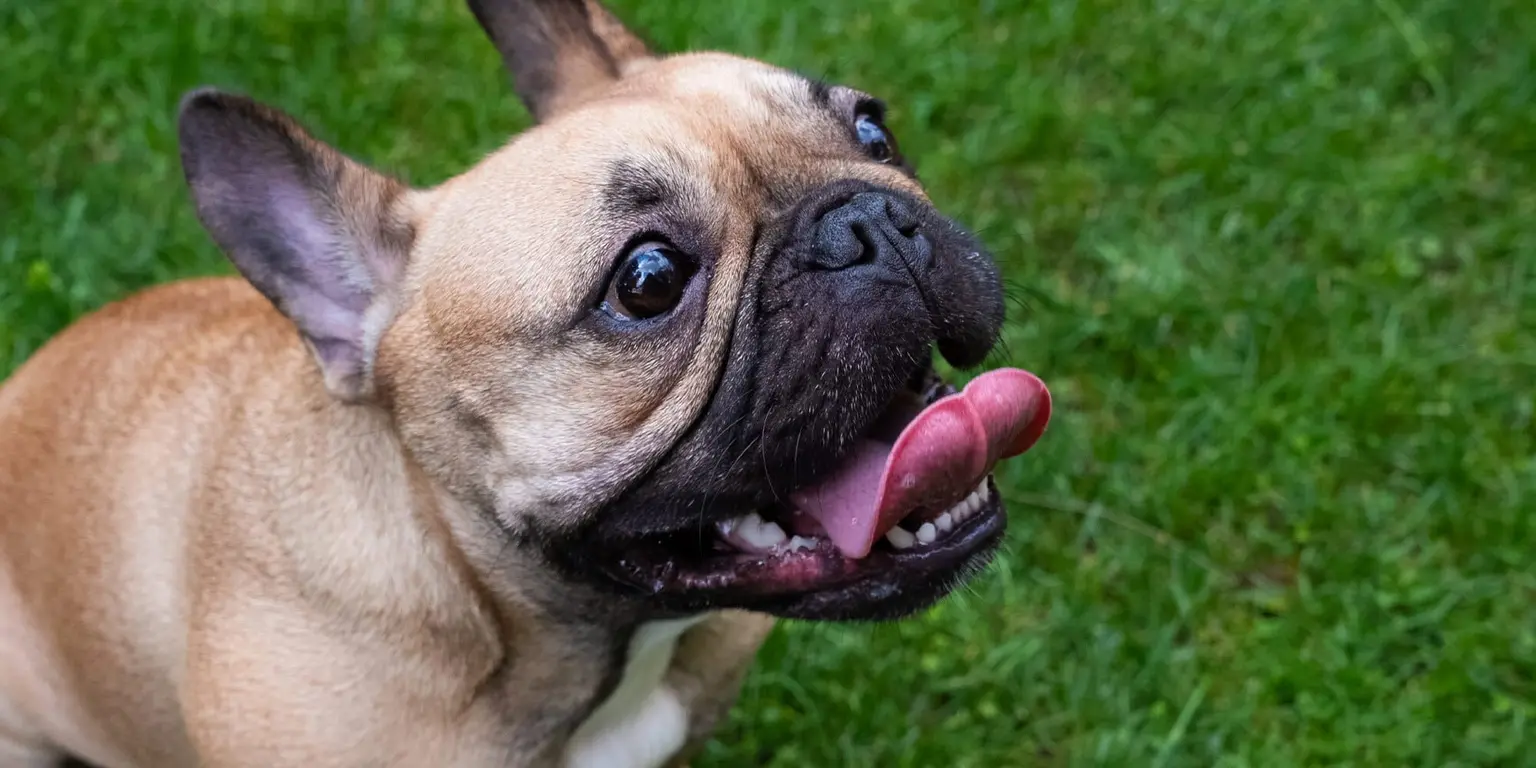
If you live with a Bulldog, French Bulldog, Boston Terrier, Boxer, Pug, or Shih Tzu, you've probably learned to sleep through the snoring. But those breathing noises can point to something called brachycephalic airway syndrome.
It's something they're born with
Their skull shape leaves too much soft tissue in too little space, which can mean a long soft palate, narrow nostrils, and tight airways. It's not something they develop over time; it's built in from day one.
Signs it's time to call the vet
Book a vet visit if you notice:
- Loud or laboured breathing
- Struggling on walks or during play
- Gagging or retching
- Overheating quickly, especially on warm days
If your dog is gasping, collapsing, or their gums look blue or pale on a hot day, treat it as an emergency and get to a vet immediately. Dogs cool themselves through breathing, so airway issues can turn serious fast.
How to make life easier for your dog
Keep them at a healthy weight. Avoid walks in the midday sun, especially in summer. Use a harness instead of a collar to take pressure off the airway. In more serious cases, surgery to widen the nostrils or shorten the soft palate can genuinely change a dog's life.
Dachshunds and other long-backed breeds: protect the spine
Your Dachshund's long body is part of the charm, but it puts real strain on the spine. That's why they're so prone to intervertebral disc disease, or IVDD. Beagles, Pekingese, Corgis, and French Bulldogs are also at risk.
It's built into their shape
The cushioning discs between the vertebrae start to wear down and press on the spinal cord. Their long backs and short legs make them more vulnerable to it than most other breeds.
Signs it's time to call the vet
Don't wait it out if you notice:
- Reluctance to jump, run, or climb stairs
- Yelping or flinching when picked up
- Wobbly back legs
- Dragging a paw or paws
If your dog suddenly can't walk or has lost feeling in their back legs, that's an emergency. The faster they get treatment, the better the outcome.
How to lower the risk
Discourage jumping off couches and beds. Keep them at a healthy weight. Use a ramp if they love the high spots. Mild cases of IVDD often respond to rest and medication, but more serious ones will need surgery.
German Shepherds and Golden Retrievers: keep an eye on the hips
Big, active breeds like Golden Retrievers, German Shepherds, Labradors, Rottweilers, Saint Bernards, and Bulldogs are commonly affected by hip dysplasia.
It's a fault in how the joint forms
The hip joint doesn't fit together properly, so it sits loose instead of snug. Over time, the instability wears down the cartilage and leads to arthritis and pain.
Signs it's time to call the vet
Bring it up at your next visit, or sooner if it's getting worse:
- Difficulty getting up or lying down
- Stiffness after rest
- A "bunny hopping" run
- Less enthusiasm for walks and play
How to keep them comfortable
Weight is one of the biggest factors you can actually control. A good diet, the right kind of exercise, and joint supplements all help. In more advanced cases, medication or surgery can restore real comfort and mobility.
Small breeds like Yorkies: when "skipping" isn't cute
If your small dog occasionally lifts a back leg mid-walk or hops for a step or two, it might not be a quirk. It could be a luxating patella, where the kneecap slips out of place.
It's a quirk of how their knees are built
It's especially common in Yorkshire Terriers, Pomeranians, Chihuahuas, and Poodles. The groove the kneecap sits in is too shallow, so it pops out and, depending on the severity, it may pop back in as your dog moves.
Signs it's time to call the vet
Worth a check-up if you notice:
- Intermittent skipping or hopping
- Sudden lameness that clears up on its own
- Reluctance to put weight on a leg
How to manage it
Mild cases usually just need regular monitoring by your vet. More severe ones can cause pain and longer-term joint damage, and surgery may be the right call.
Large, deep-chested dogs: know the signs of bloat with twisting of the stomach
If you own a Great Dane, Weimaraner, Irish Setter, Doberman, or German Shepherd, learn the signs of gastric dilatation-volvulus, better known as bloat with torsion ("twisting") of the stomach. It could save your dog's life.
It's a risk that comes with their build
Deep-chested dogs are more prone to it, but the event itself is sudden. The stomach fills with gas and twists, cutting off blood supply. It's a true emergency.
Signs to act on immediately
If you see any of these, get to a vet now:
- A suddenly swollen, tight belly
- Trying to vomit but nothing coming up
- Restlessness, pacing, or obvious distress
- Rapid, shallow breathing
Bloat can become fatal within hours.
How to lower the risk
Feed smaller meals more often instead of one large meal. Avoid heavy exercise right before or after eating. If your dog is high risk, your vet might suggest a preventive surgery called gastropexy, which tacks the stomach in place to stop it from twisting.
What can you do about your dog's hereditary conditions?
You can't change your dog's genetics. But you can change how quickly you spot a problem and how soon they get help. Knowing what your breed is prone to means you're not caught off guard. You ask better questions at the vet, you act sooner, and you avoid the worst-case version of most of these conditions.
When vet bills get big, insurance can help
Some of these treatments aren't cheap. Spinal surgery for IVDD, emergency surgery for bloat, or ongoing care for hip dysplasia can run into tens of thousands of rands. Pet insurance is one way to make sure that when something goes wrong, the decision is about what's best for your dog, not what you can afford that month.
Owning a dog is one of life's good things. Every breed comes with its quirks, and knowing the risks isn't about worrying more, it's about loving them better.
Prepare for the unexpected with Naked Pet Insurance
Loving your dog well also means being prepared when things don't go to plan. Naked Pet Insurance helps cover unexpected vet costs, so you can make decisions based on what your pet needs, not just what you can afford in the moment.
Not sure which option suits your dog? Our guide to choosing the right Naked pet cover walks you through it.